
Article content will appear here...
0
Trees Planted
SEC LIBERIA
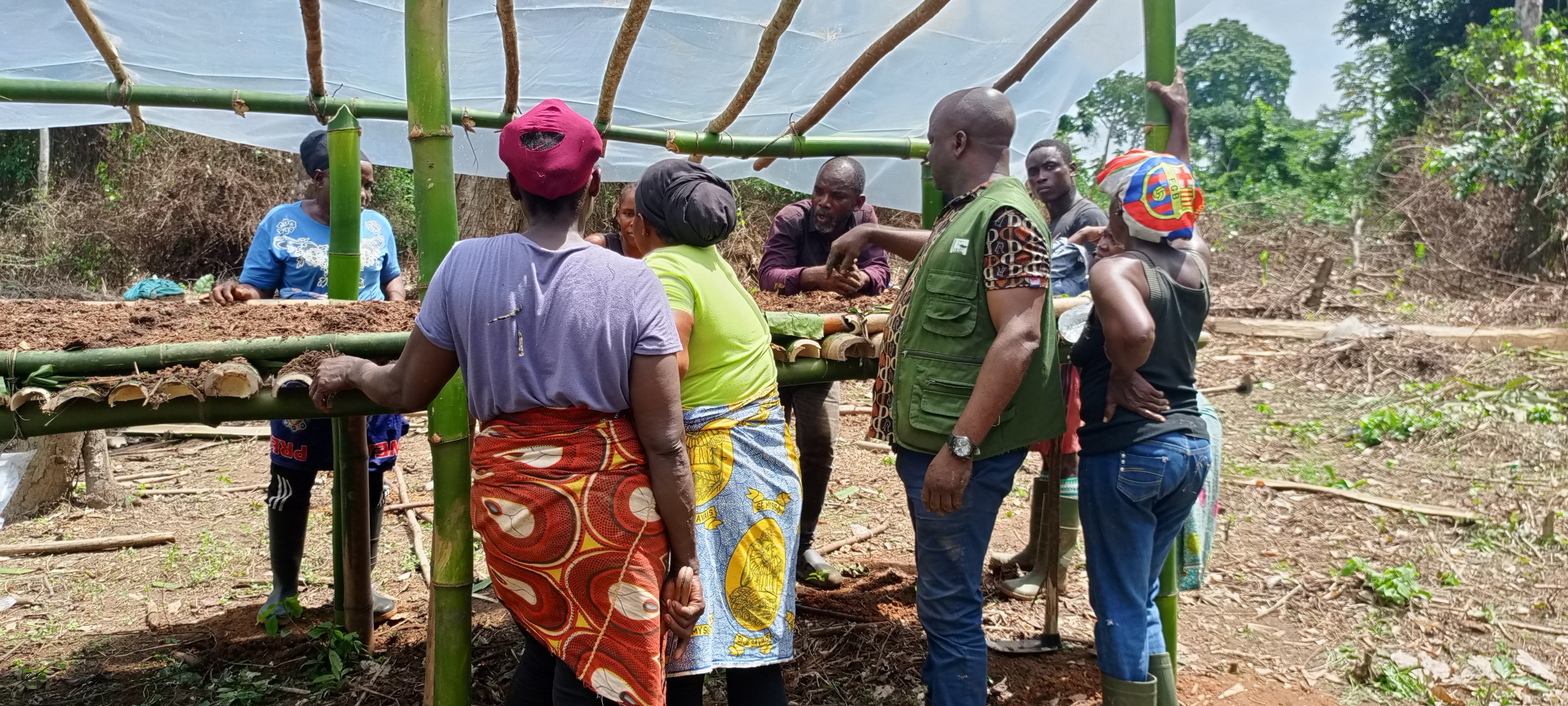
Climate Justice for Liberia
SEC Liberia advances community-led conservation, biodiversity protection, and resilient livelihoods by restoring degraded ecosystems and partnering with local leaders across the country.
0
Trees Planted
0
Communities Reached
0
Active Projects
About SEC
Empowering Communities Through Environmental Conservation and Sustainable Development
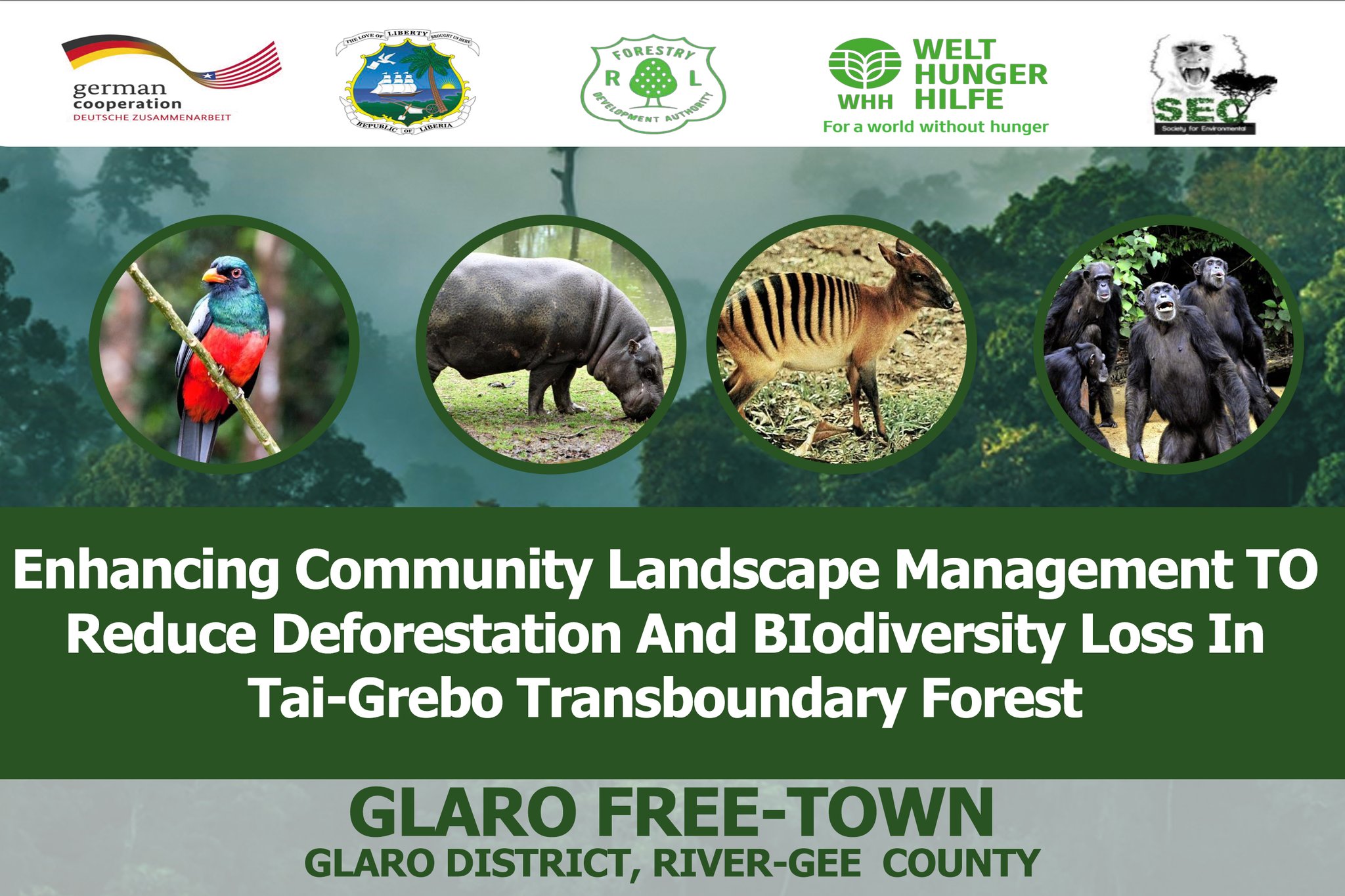
SEC's primary objective is to find new ways that poor rural dwellers living in abject poverty around high biodiversity heritage can generate income while conserving their natural ecosystem.
SEC envisions seeing Liberia's rich biological sites become important to local communities and national conservation planning through education, empowerment, participatory development, and sustainable environmental management.
SEC uses community participatory engagement techniques to help rural people identify their problems and needs while focusing on environmental sustainability, social issues, and sustainable development.
Through long-term local partnerships, SEC helps communities transition from extractive survival practices to practical nature-positive livelihood systems that improve incomes and strengthen resilience.
Guiding Direction
In pursuit of its mission, SEC works directly with poor communities and international partners who share its vision. The organization engages in long-term development work, responds to emergencies, undertakes biodiversity research, conservation education, environmental justice, and sustainable livelihood programs that empower local people to become self-reliant.
Participatory planning with local voices at the center.
Restoration, biodiversity protection, and ecosystem management.
Learning programs that build long-term stewardship.
Fair access, inclusion, and accountability in decision-making.
Active implementation footprint across Liberia
0
Counties
0
Regions
0
Communities
0
Years
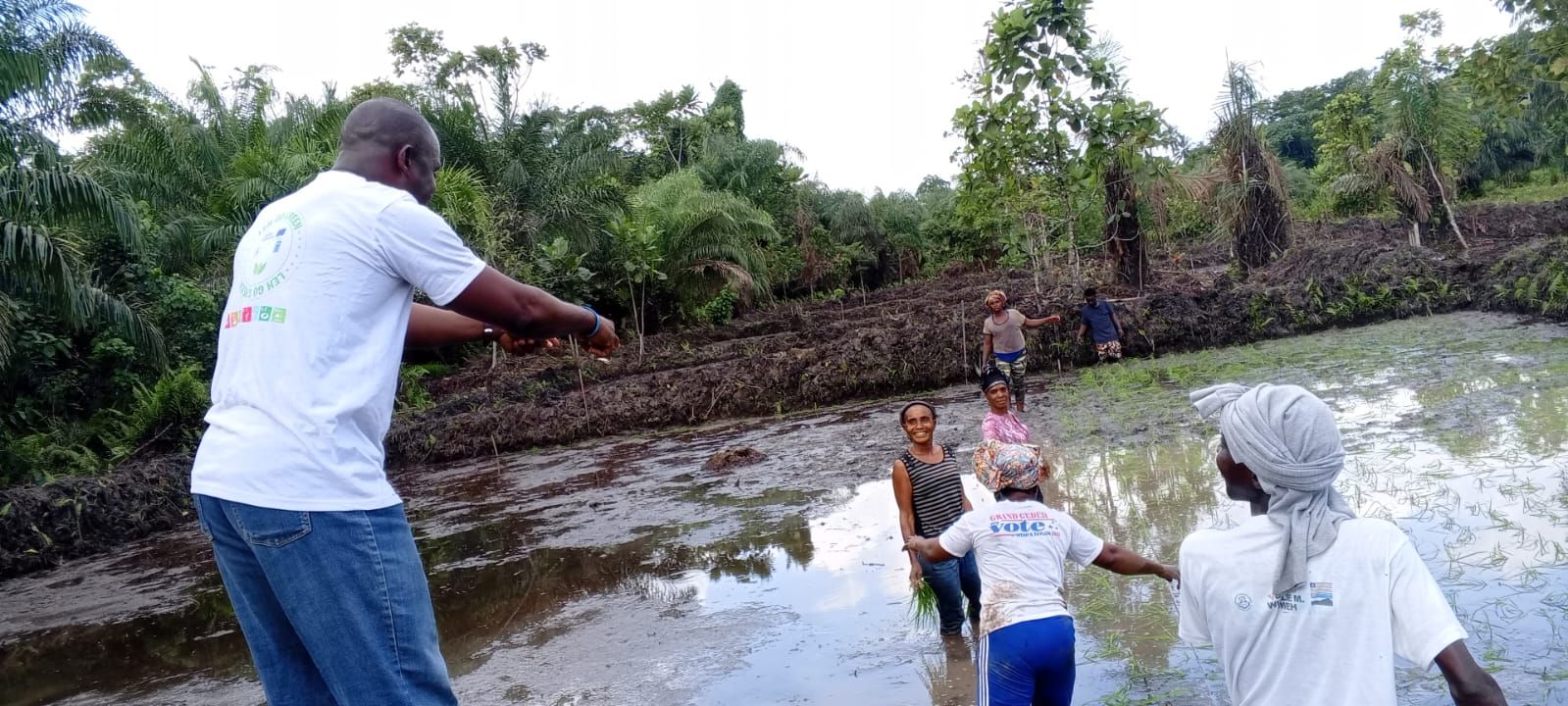
Organizational Profile
The convictions that guide how SEC works internally, collaborates externally, and pursues long-term conservation results.
SEC believes in the inherent value of wildlife and natural resources, whether or not species are formally recognized as protected or on a red list. We believe we will better achieve our mission to conserve Liberia's native plants and animals in their natural communities if we live by clear convictions that guide all aspects of our work.
This values statement sets expectations for how employees interact with one another, guides relationships with partners and supporters, and shapes how we engage with people who hold differing opinions and beliefs. We are committed to working together with honesty and integrity to achieve transformative goals for our members, supporters, and the plant and animal resources we seek to conserve.
Our employees are our greatest asset. We care about their welfare and professional growth, listen to their suggestions for improving operations, foster empowerment through clarity of authority and accountability, and value the unique perspectives and backgrounds they bring.
How We Strive To Work
Organizational Profile
Building a stronger partnership model with clear leadership, better coordination, and practical operating systems.
Style & Leadership
SEC's governance arrangements are understood and generally work well, but partner agencies sometimes operate within different frameworks. Because relationships are positive, many differences are resolved quickly through joint problem-solving and a shared commitment to the best outcome for vulnerable people.
As SEC matures, there is a strong need to define the values and behaviors expected across the partnership and to establish one clearly defined strategic leader. Greater operational leadership clarity is also needed so that accountabilities are understood when issues cross services, concessions, protected areas, and community forestry responsibilities.
Structure
Governance arrangements currently provide proportionate support as the organization evolves, and the right representatives are generally attending meetings. The main improvement required is more consistent follow-through on agreed actions so the organization can gather pace, improve performance, and become more embedded.
SEC maintains its own reporting lines and decision-making hierarchy, but confusion still arises over who can make which decisions and how authority works across agencies. The updated organogram is intended to make these power arrangements clearer and support a more viable and sustainable organizational profile.
Systems
Communication needs improvement at both formal and informal levels. SEC is strengthening periodic coordination meetings and clarifying what information should be shared widely, what remains service-specific, and what should be escalated to colleagues, beneficiaries, and leadership.
Different teams currently rely on mixed paper-based and computerized systems, creating duplication, compatibility issues, and uncertainty in process interpretation. Work is underway to establish operating principles and a performance management framework covering reporting, analysis, assessment, monitoring, dissemination, and success-story compilation.
Staff
SEC has identified the staff resources needed for direct and indirect delivery, and many teams consider the current arrangement workable. However, as the organization grows in capability, staffing levels, responsibilities, and support systems will need to be reviewed and expanded.
The organization already brings together extensive safeguarding and field experience, but greater visibility is needed around the skills available across teams and how they complement one another. Clearer guidance is also needed on complaints handling, large-scale investigations, and information-sharing responsibilities.
Organogram
A simplified view of strategic oversight, executive management, program delivery, and field coordination within SEC.
Strategic Oversight
Governance, policy direction, and institutional accountability.
Strategic Leadership
Leads partnership development, cross-agency coordination, and organizational performance.
Programs
Guide conservation, livelihoods, research, and donor-facing implementation.
Operations
Support reporting, communication, data handling, logistics, and finance workflows.
Field Delivery
Translate strategy into field action with local partners, beneficiaries, and stakeholders.
Forest Conservation Progress
Community Empowerment Coverage
Biodiversity Risk Reduction
Sustainable Livelihood Outcomes
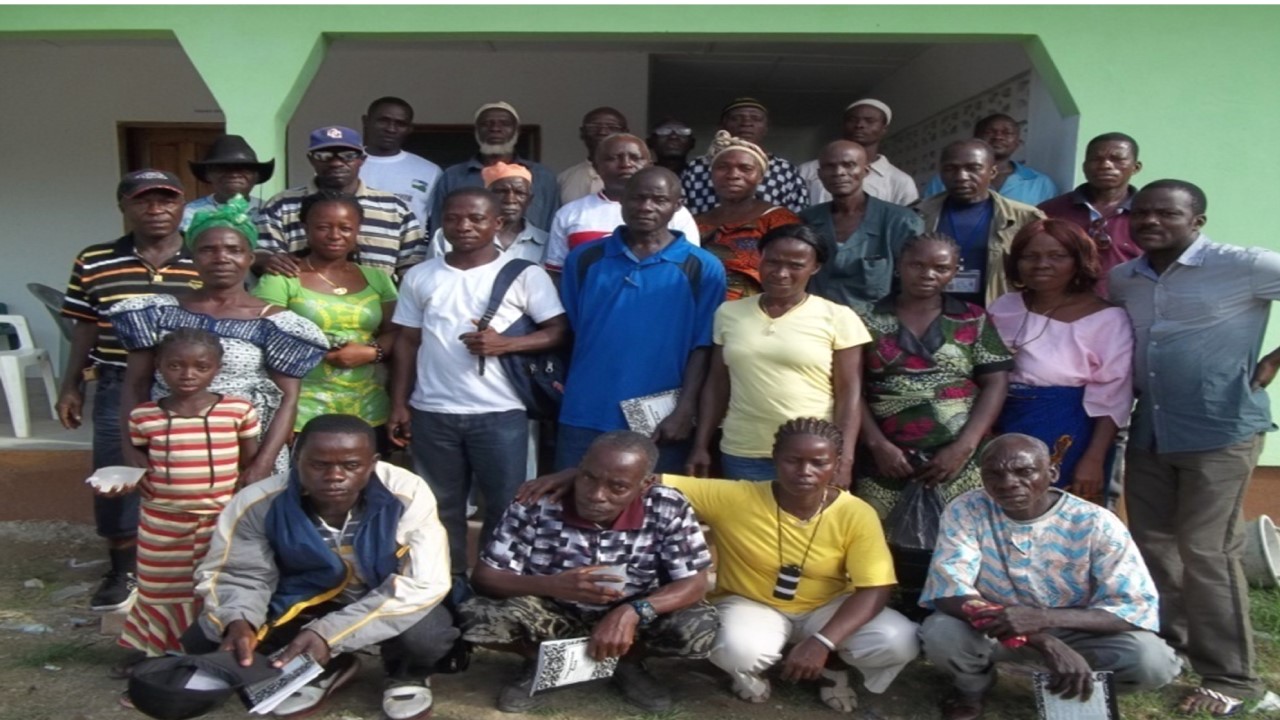
Environmental Awareness
Land Degradation Prevention
Community Environmental Platforms
Adaptation
Mitigation
Community Forestry
Community Woodlots
Reforestation
Backyard Gardening
Lowland Farming
Eco-Stove Training
Solar Cooker Technology
Biogas Technology
Community Woodlots
ESIA
ESMP
EMP
RAP
Environmental Audit Reports
Species Research
Wildlife Studies
Bird Watching
Safari Hunting
Ecotourism Site Assessment
Hiking & Backcountry Visitation
Program Spotlight
SEC's Sustainable Livelihoods and Food Security Program empowers rural and urban poor communities to achieve higher incomes, improve food security, and reduce pressure on Liberia's remaining forests.
0
Farmers trained
0
Food security groups
0
Forest-pressure reduction sites
Improves soil health and farm resilience.
Diversifies yields and reduces climate risk.
Reduces harmful chemical dependence.
Protects productive soils and watersheds.
Secures water for communities and farms.
Turns waste streams into productive inputs.
Combines regenerative farming and restoration to reduce emissions and enhance ecosystem carbon storage.
01
02
03
04
05
06
07
SEC's management model combines board oversight, executive leadership, permanent staff, and volunteers. As programs expand, the organization aims to align staffing decisions with operational growth, strengthen cross-team understanding of available skills, and ensure internal changes remain complementary to the needs of partner agencies and field teams.
0
Board of Directors
0
Executive Director
0
Permanent Employees
0
Volunteers
Staff Expertise Areas
Agriculture
Sociology
Conservation
Education
Resource Management
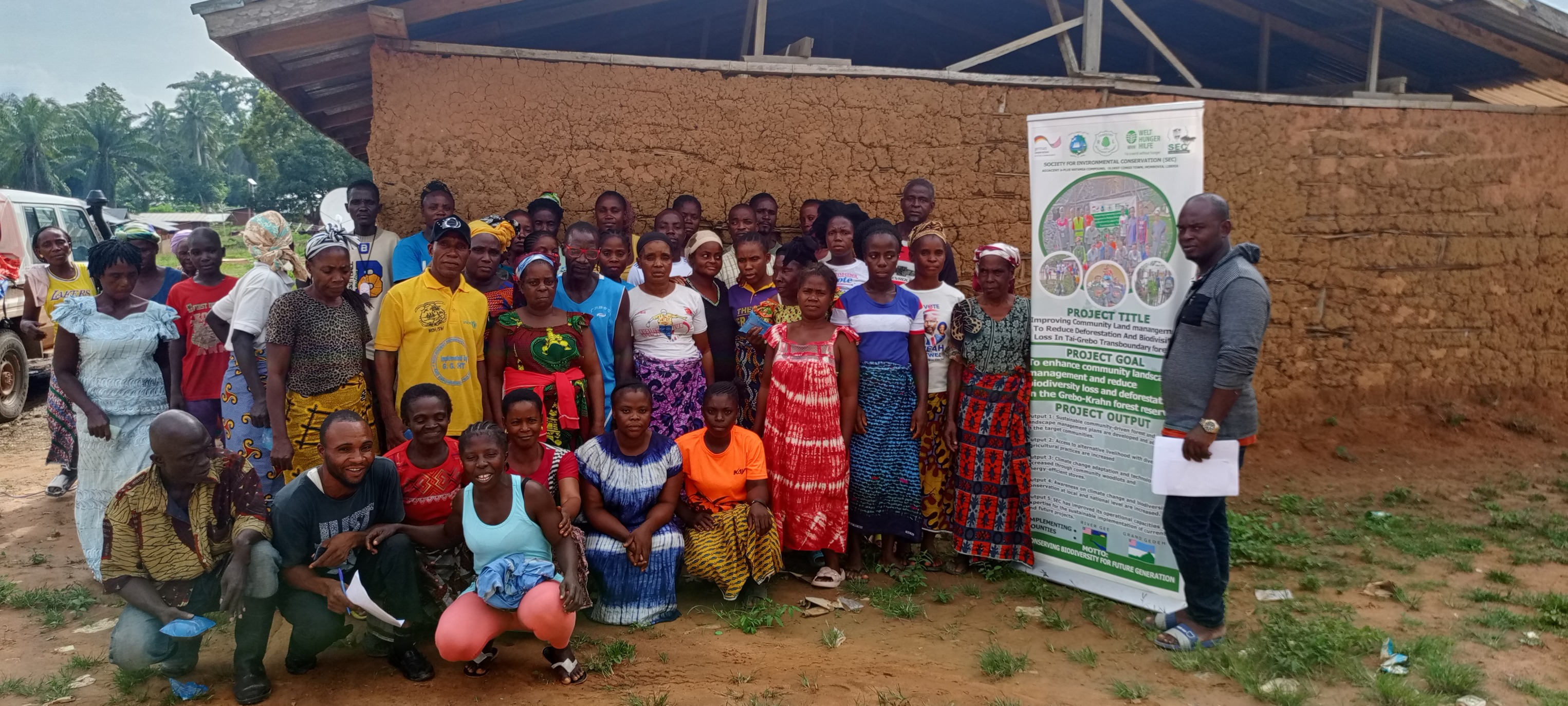
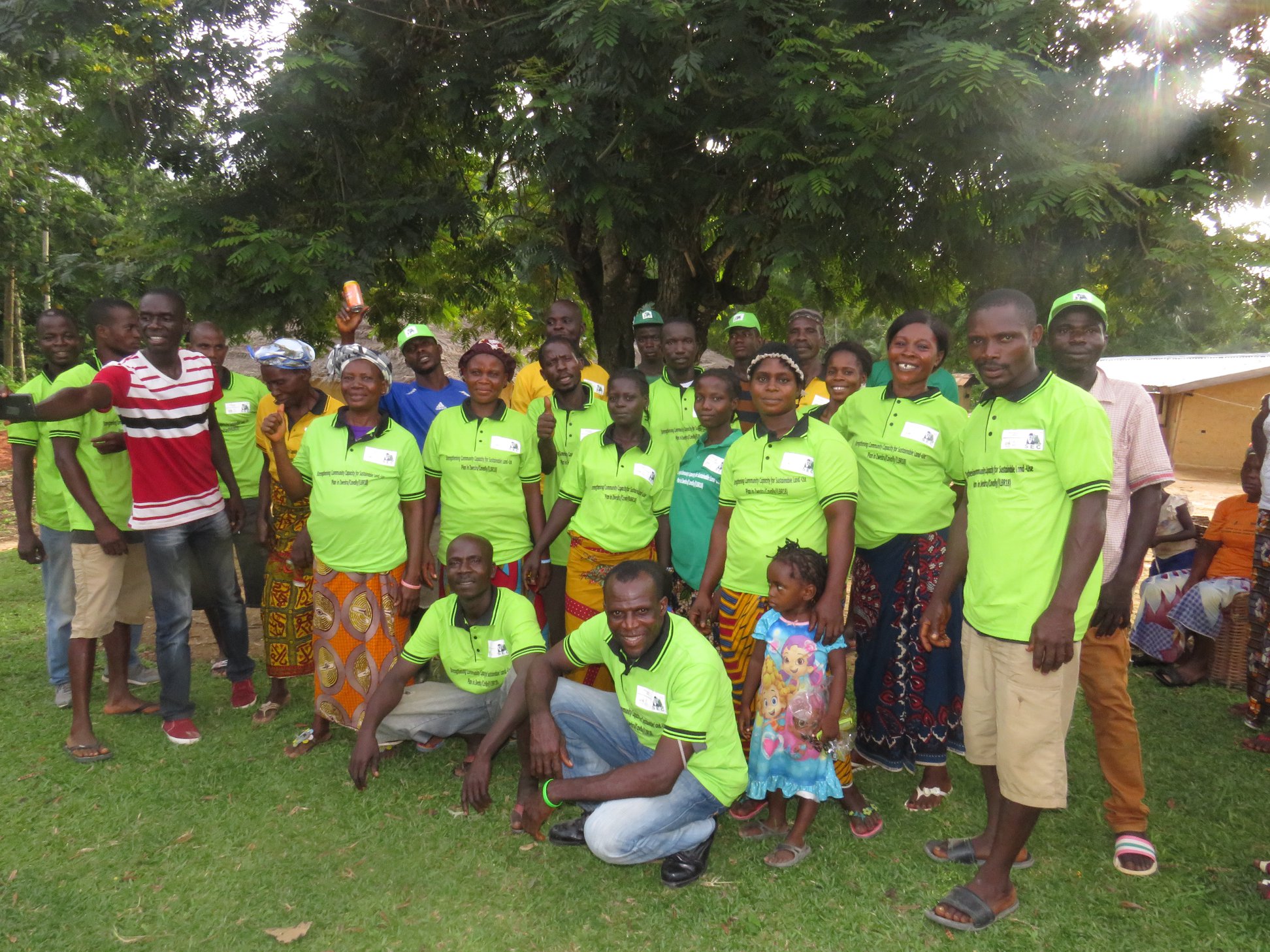
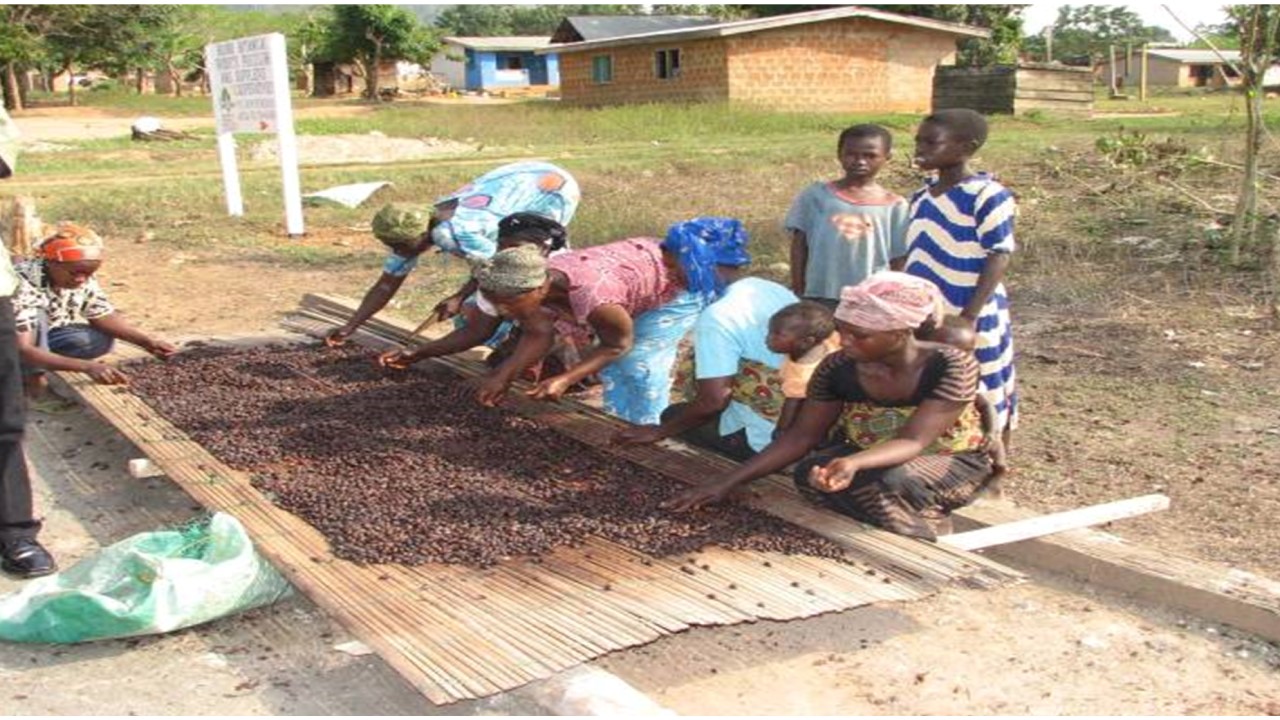
Strategic Direction
SEC's strategic plan sets a common purpose and direction for the organization. Grounded in the urgency of wildlife conservation, it provides the framework for setting goals, aligning institutional strength, and allocating resources for long-term impact.
Long-Term Alignment
This vision sets the tone for how SEC defines success: long-term, science-based, landscape-scale conservation that protects biodiversity while strengthening the communities connected to Liberia's forests, lands, rivers, and coastal waters.
Monrovia, Liberia
Nimba, Grand Gedeh & Guinea
Programs active across seven counties
SEC does not accept donations from organizations involved in harmful or unethical activities, including:
Our Programs
Restoring degraded lands with indigenous species and community forest governance.
Scaling adaptation and mitigation initiatives for climate-vulnerable communities.
Promoting climate-smart farming methods that protect soils and improve livelihoods.
Improving safe water access and sanitation systems in underserved communities.
Safeguarding species habitats through anti-poaching awareness and local action.
Building eco-literacy through school clubs, civic training, and community awareness campaigns.
Projects & Impact
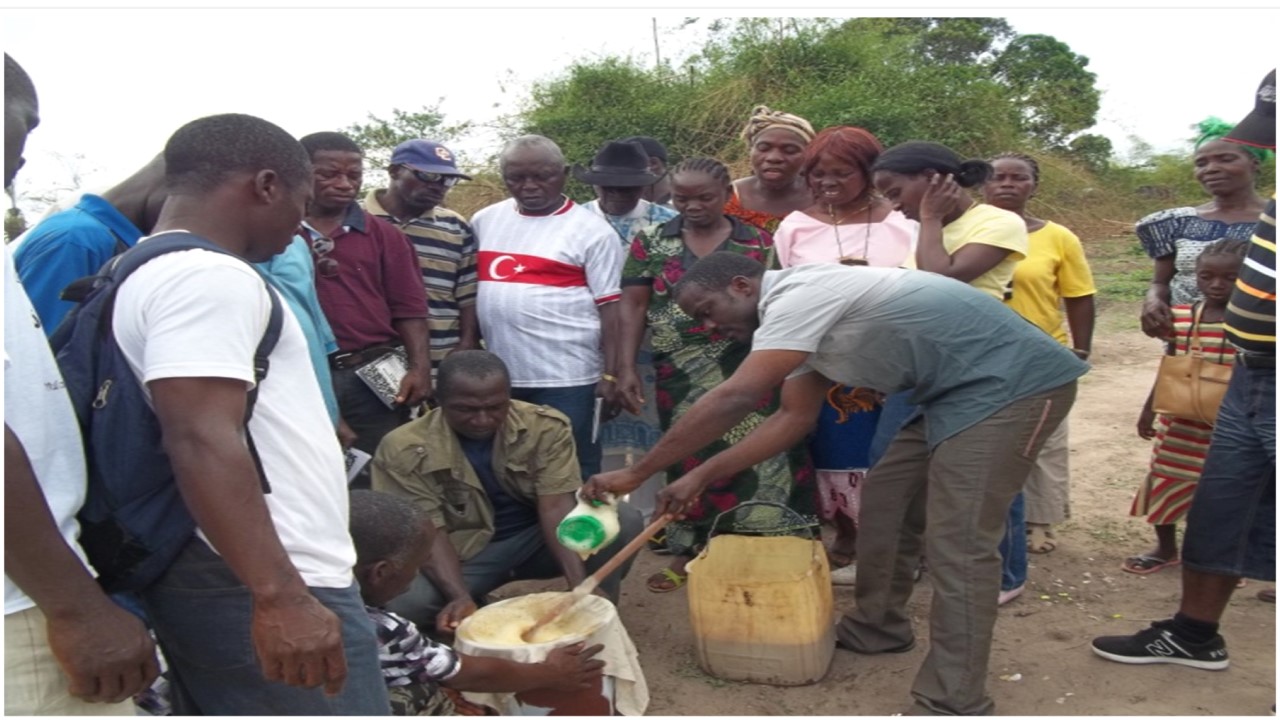
Tubmanburg, Bomi County
Restoring mangrove and upland corridors to protect biodiversity and reduce erosion.
Read More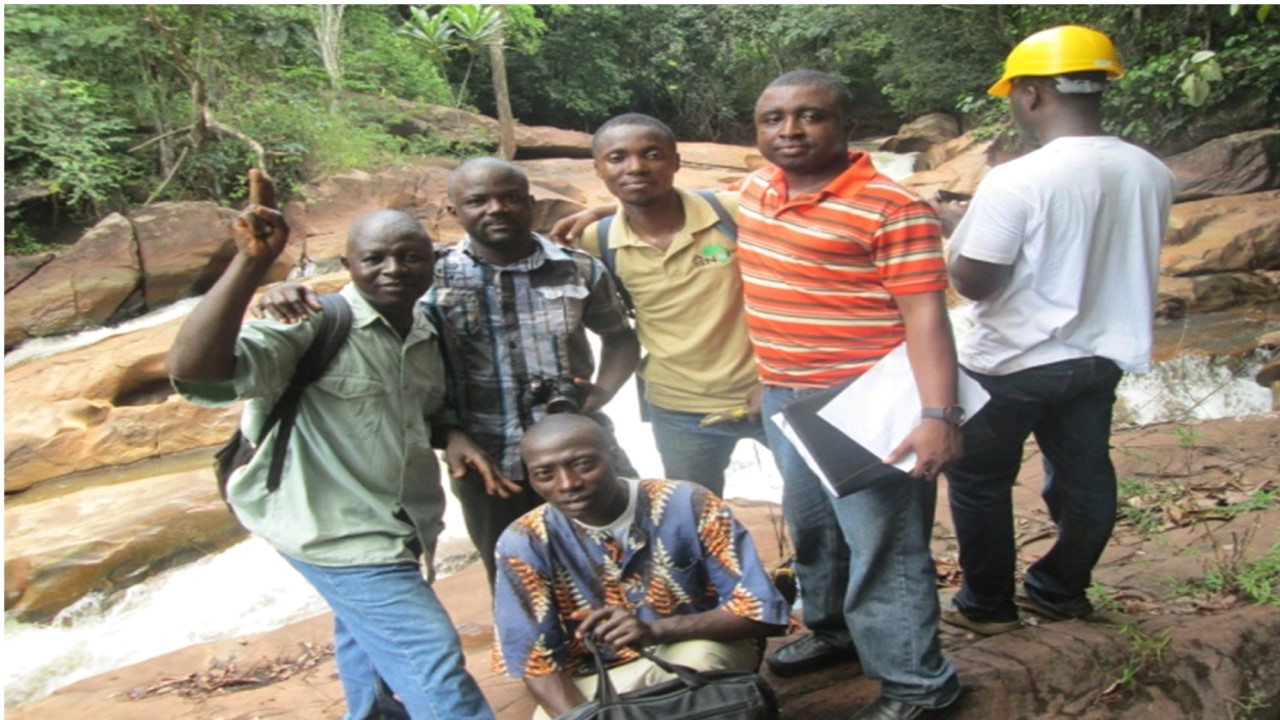
Paynesville, Montserrado
Installing rainwater systems and hygiene awareness in high-density school communities.
Read More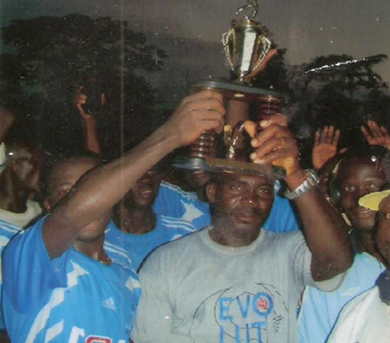
Monrovia
Training youth leaders in climate data, advocacy, and practical adaptation solutions.
Read More
Gbarnga, Bong County
Supporting women-led groups producing seedlings for local restoration campaigns.
Read More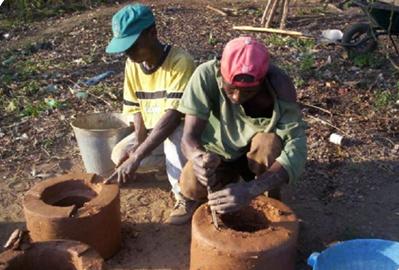
Marshall Wetlands
Protecting wetland ecosystems critical to flood management and freshwater livelihoods.
Read More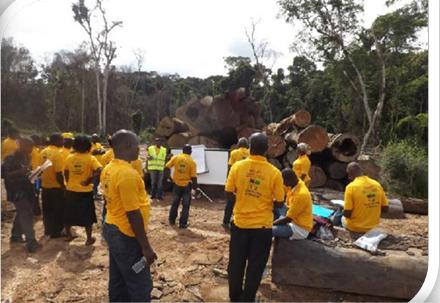
Margibi County
Powering emergency information centers with low-carbon energy for climate response.
Read More0
Trees Planted
0
Communities Reached
0
Volunteers Engaged
0
Projects Completed
News & Stories
April 11, 2026
How student-led eco clubs are reducing waste and restoring shade in school compounds.
March 30, 2026
Participatory planning is helping local leaders prioritize practical adaptation projects.
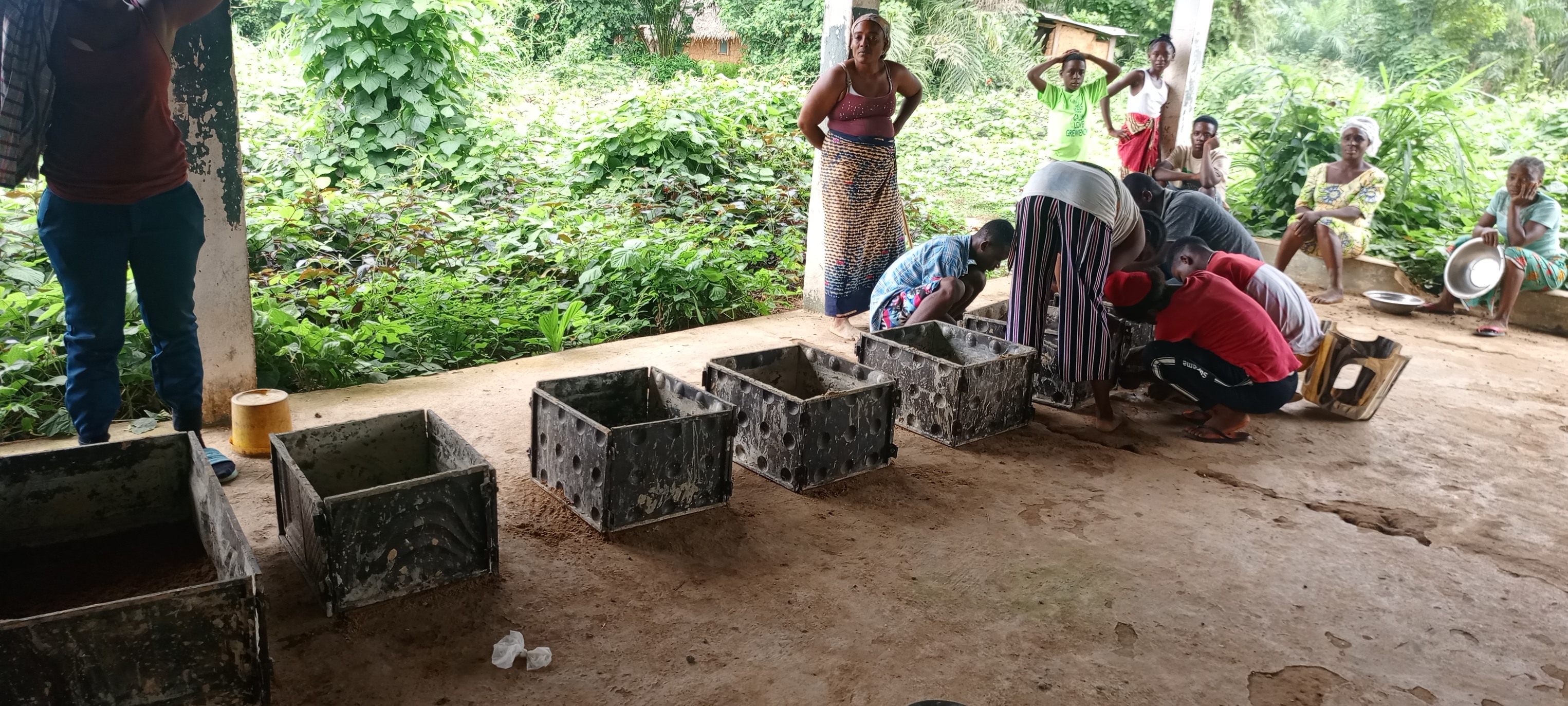
March 08, 2026
SEC research highlights nature-based defenses against erosion and storm surges.
Photo Gallery
Support Our Mission
Your support funds restoration work, clean water access, youth leadership, and emergency response for communities impacted by environmental degradation.
Donation Causes
Your gift supports practical conservation work in Liberia through trusted, manual payment channels. SEC Liberia issues acknowledgment receipts after payment confirmation.
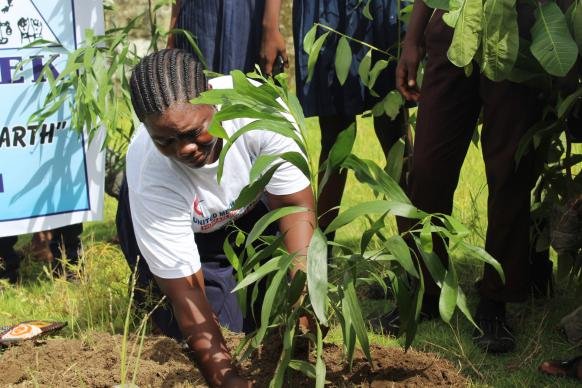
Restore degraded forests, strengthen biodiversity corridors, and protect climate-vulnerable communities.
Expand rainwater harvesting, sanitation access, and safe water outreach for schools and households.

Equip youth and local leaders with practical knowledge to respond to climate risks and build resilience.
Join SEC Liberia
Become part of a professional conservation network creating measurable impact through restoration, education, and community empowerment.
Access structured support from experienced practitioners and program leads.
Collaborate with a growing network of volunteers, donors, and institutions.
Learn practical climate and conservation strategies through focused mentorship.
Build leadership and project experience through real field programs.
Complete the form below and our team will contact you shortly.
Contact Us
We welcome collaboration with donors, volunteers, researchers, and institutions.